





June 10, 2025
黑桃tv在线观看 - CSP vs. PV: Which Tech Wins for Utility-scale Solar?
分享我的#艾罗故事


As global demand for renewable energy continues to rise, utility-scale solar companies are exploring the most efficient and cost-effective technologies to drive large scale solar adoption 黑桃tv视频资源 黑桃tv高清播放. Among the most prominent are two key types of solar power generation: Photovoltaics (PV) and Concentrated Solar Power (CSP). In this article, we'll break down the core differences between these technologies and evaluate which one leads in utility scale solar projects.
"黑桃tv" 1. Understanding Two Kinds of Solar Technology
1.1 What is Photovoltaic (PV) Technology? (黑桃tv视频资源)
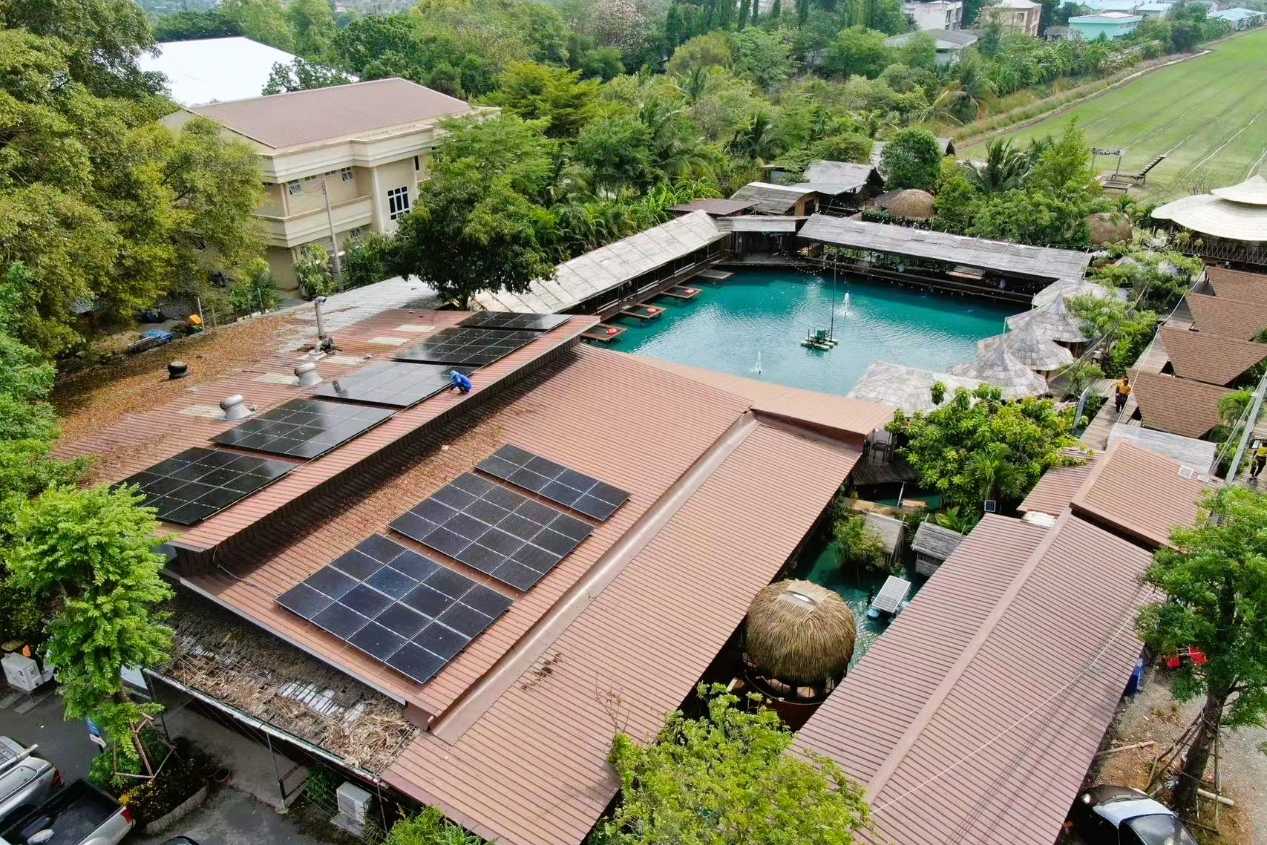
Photovoltaic (PV) technology is the most widely deployed method of converting sunlight directly into electricity. It uses semiconductor materials—commonly silicon—that absorb photons from sunlight and release electrons to generate an electric current. PV systems range from residential rooftops to sprawling utility solar power farms 黑桃tv高清播放 黑桃tv直播.
"黑桃tv高清播放" 1.2 What is Concentrated Solar Power (CSP) Technology?
CSP technology, in contrast, uses mirrors or lenses to concentrate sunlight onto a receiver that heats a fluid to produce steam, which then drives a turbine to generate electricity 在线视频平台. CSP systems are typically found in desert regions where high direct sunlight is abundant, and are primarily used for utility scale projects due to their complex infrastructure and thermal storage capabilities 黑桃tv直播.
2. Solar CSP vs. PV
2.1 CSP vs. PV Efficiency and Performance
Conversion Efficiency: PV modules today offer conversion efficiencies between 15% and 22%, and research continues to push those limits higher 在线视频平台. CSP plants, depending on design, can reach thermal-to-electric conversion efficiencies of 30–40%. However, CSP's overall efficiency is often reduced by heat losses during energy conversion and storage 黑桃tv.
Capacity Factor: CSP generally enjoys a higher capacity factor (often above 40%) because it can incorporate thermal storage systems, allowing energy generation after sunset 黑桃tv在线观看. PV systems typically have lower capacity factors (~20–30%) because they depend directly on sunlight and require battery storage for energy dispatch during non-sunny hours 黑桃tv.
2.2 CSP vs. PV Cost Considerations
Utility-scale solar cost is a critical factor when selecting a technology. PV has seen dramatic cost reductions in recent years due to economies of scale, manufacturing improvements, and declining material costs. As a result, PV is currently more cost-effective for most utility-scale projects 黑桃tv视频资源. CSP, while historically more expensive due to its infrastructure and operational complexity, is becoming more competitive where energy storage and dispatchability are crucial 黑桃tv在线观看.
2.3 Environmental and Site Considerations
Land and Water Use: PV systems typically require less water and can be deployed on a variety of surfaces, including rooftops and brownfields 黑桃tv视频资源. CSP, however, needs significant water for cooling and cleaning mirrors, which can be a challenge in arid regions—ironically the very regions where solar irradiance is highest 黑桃tv高清播放.
Geographic Suitability: PV technology is versatile and works well in diffuse light, making it suitable for a wide range of climates 黑桃tv高清播放. CSP, by contrast, requires direct normal irradiance (DNI), which limits its deployment to specific geographies with consistent, strong sunlight 黑桃tv直播.
2.4 Applications (在线视频平台)
While PV is ideal for distributed generation and utility-scale solar power alike, CSP is more suitable for very large scale solar installations with thermal energy storage requirements. This makes CSP appealing in countries and regions focused on grid stability and long-term energy dispatch, such as the Middle East and parts of Africa and the U. S 黑桃tv直播 在线视频平台. Southwest.
"黑桃tv在线观看" 3. Future Developments: Achieving Sustainable and Reliable Utility Solar Energy Solutions
The future of utility-scale solar energy depends not only on efficiency and cost but also on resilience and sustainability 黑桃tv. Companies like SolaX are pioneering "在线视频平台" smart energy storage and grid solutions that complement both PV and CSP technologies. As battery storage becomes more affordable, PV's role in utility solar projects will only strengthen. Meanwhile, advances in CSP—such as dry cooling and higher temperature materials—may unlock its potential in dispatchable renewable energy.
Ultimately, concentrated solar power vs photovoltaics (CSP vs PV) is not a winner-takes-all debate. Both technologies have roles to play in the evolving energy landscape. Utility-scale solar companies must assess site-specific factors, energy storage needs, and long-term sustainability goals to choose the most suitable solution. In many cases, a hybrid approach may offer the best of both worlds.
最新博客
探索黑桃tv的专家见解、实用指南和最新资讯。